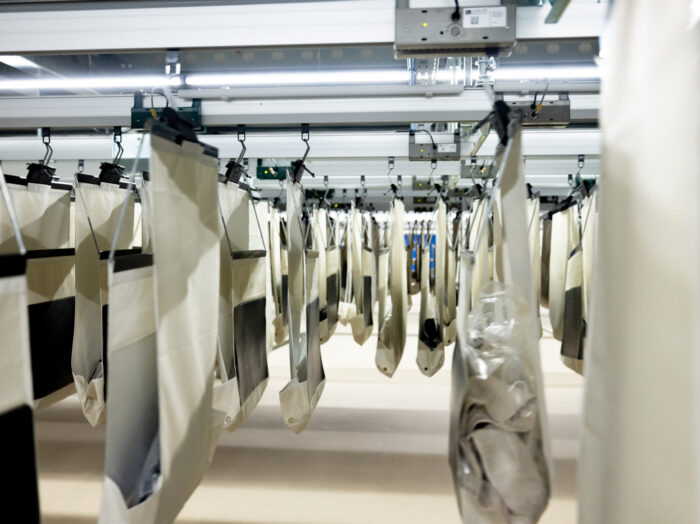
How does a pocket system simplify my returns management?
Returns are one of the biggest challenges in e-commerce, especially in the fashion industry. But what if time-consuming, manual processes could be drastically reduced? This article explores how modern pocket systems make returns ready for resale faster, minimize handling steps, and pave the way toward a highly efficient, even zero-touch logistics process.
Returns management is a key challenge in e-commerce logistics, particulary in the fashion industry. High return rates require operators not only to inspect and recondition returned goods quickly, but also to make them available for resale in an efficient and cost-effective way.
Returns processing with efficiency losses
In many distribution centers, resaleable returns are stored in mixed containers after quality inspection. This established approach involves a high level of manual effort. During picking, significant time is spent searching for the correct item within the container. In addition, the number of items per container must be limited to make searching feasible, and a mix of different articles must be ensured. As a result, this process design often means that a returned item is handled four times: during put-away, picking, transfer to a sorting system and packing. The labor-intensive put-away and picking processes in particular lead to productivity losses.
Pocket systems as an efficient solution for returns logistics
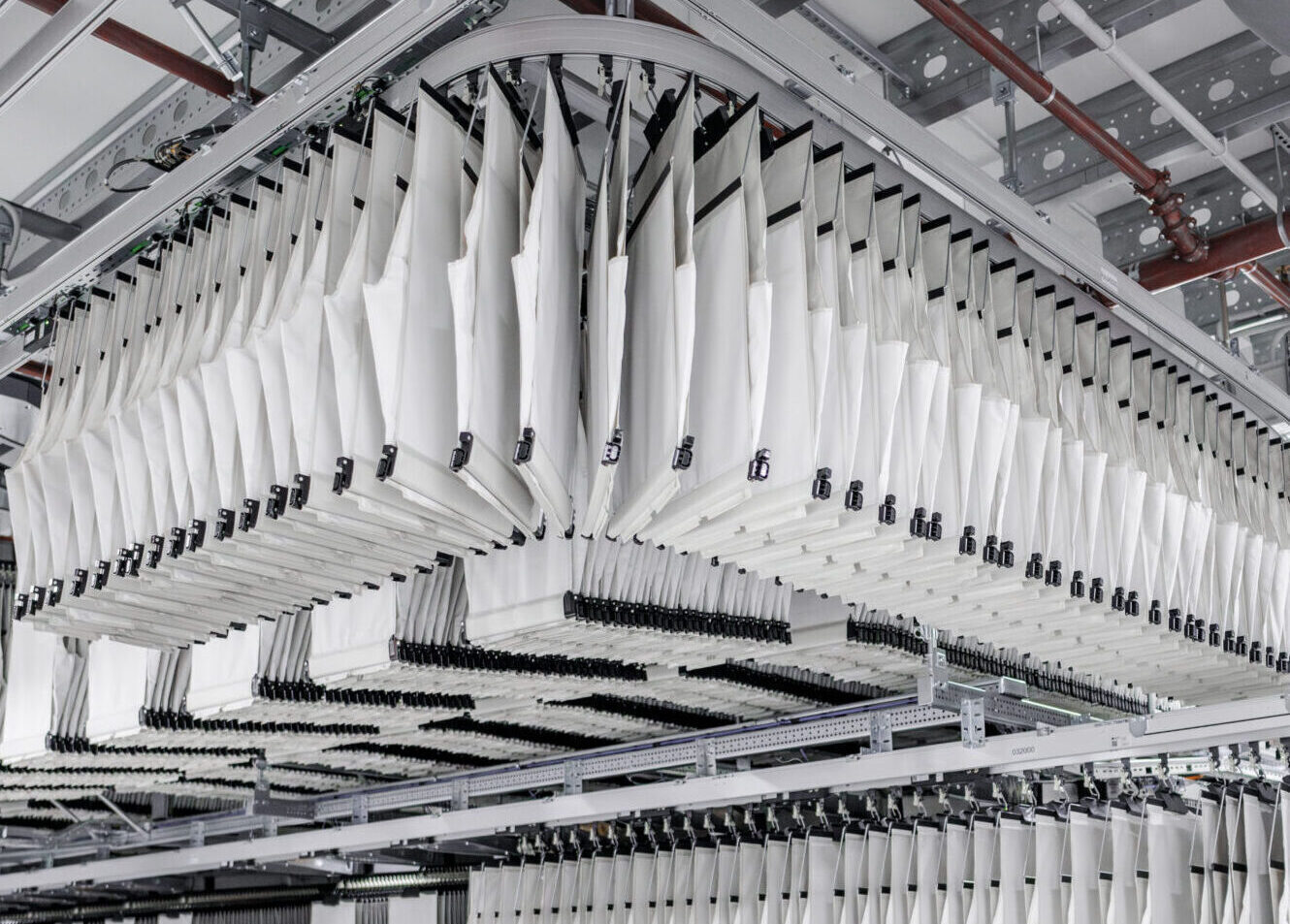
Pocket systems offer a highly efficient solution to these challenges: resaleable returns are placed into a pocket and temporarily stored in a dynamic buffer (an automated storage location for pockets). Loading the individual pockets can be performed either manually or automatically directly from the dynamic buffer, it is prioritized for order fulfillment and automatically retrieved.
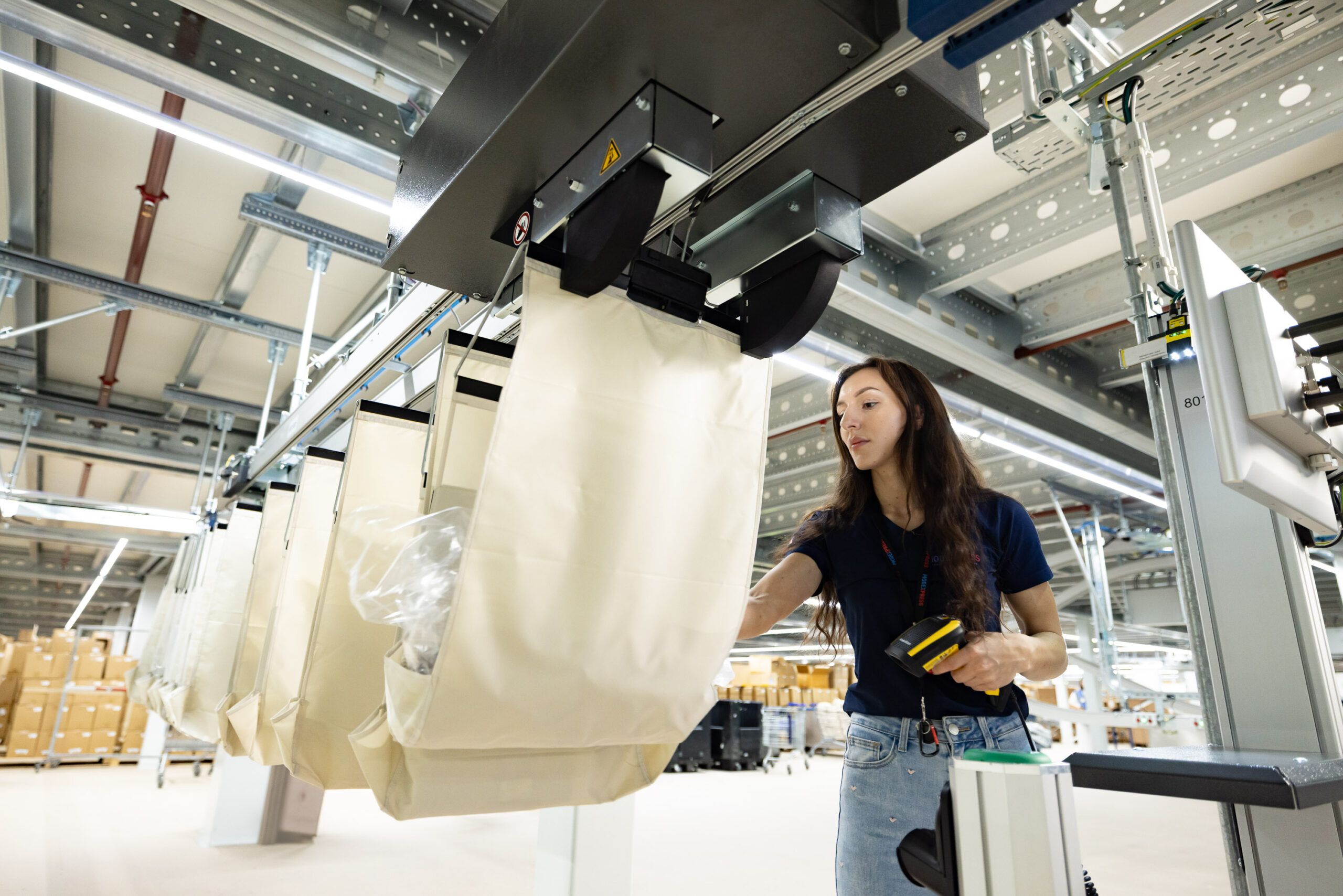
The pocket is then fed into the automated sorting process, where the return is consolidated with the other items in the order. The next manual process step does not take place until packing. Alternatively, this step can also be fully automated by combining our AutoPocket with a packing machine.
With the pocket system toward zero-touch returns
As a result, a pocket system significantly reduces the number of manual process steps from put-away to packing. Intead of three to four manual interactions per item in traditional systems, returns handled in a pocket system are typically touched no more than twice.
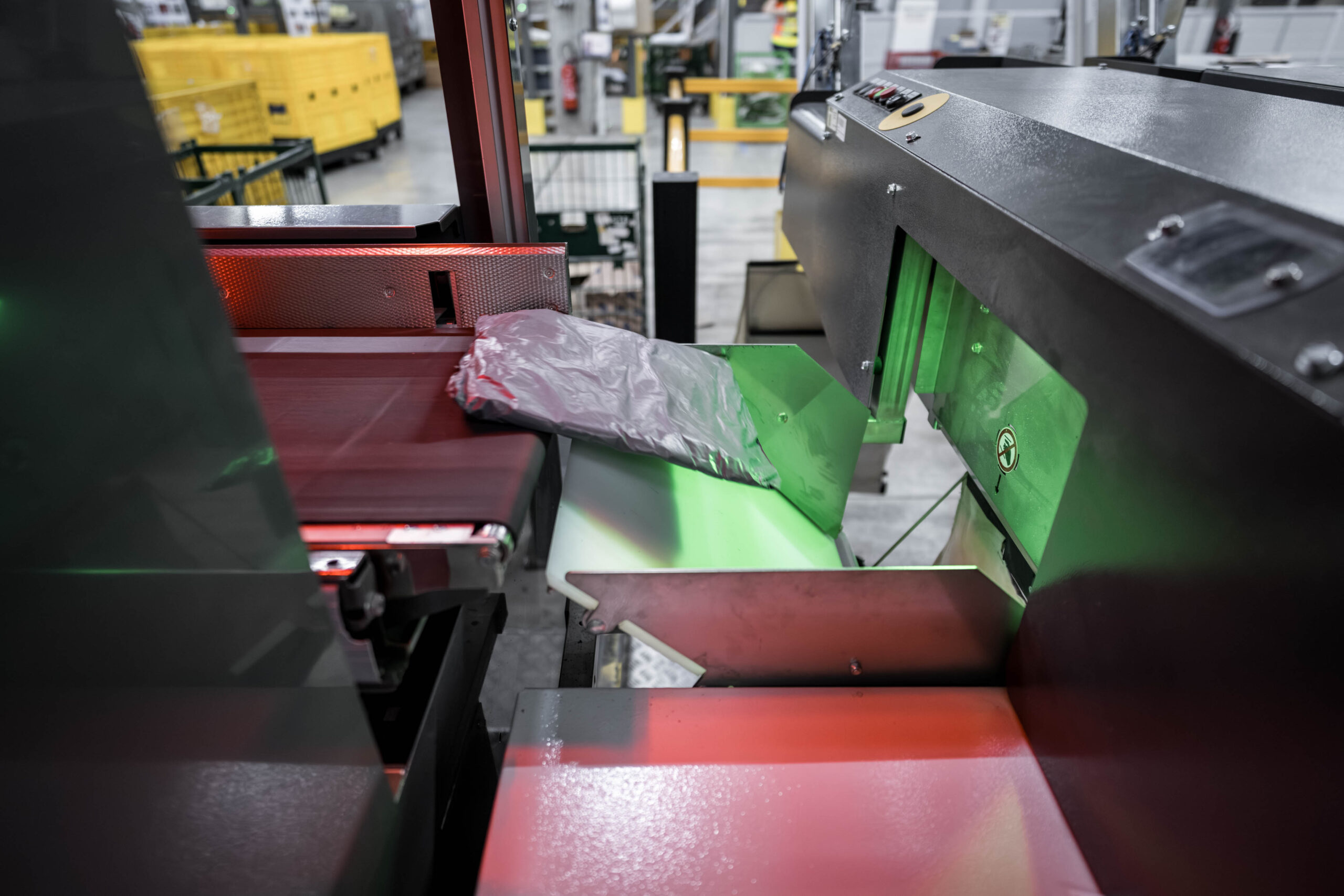
With additional automation steps, it is even possible to eliminate manual handling entirely after returns processing, enabling a true zero-touch solution. This is why many customers rely on our pocket system to simplify their returns management and make it more efficient and future-proof.

Author: Eva Rudolf – Team Lead Product Management Research & Development Product Management