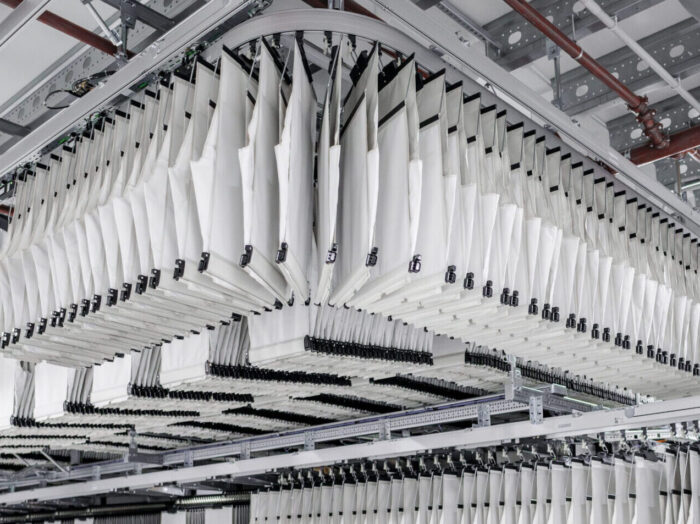
Why Pocket Systems Are Among the Most Energy-Efficient Solutions in Automated Warehousing
Pocket systems are known for their efficiency, but their biggest advantage often goes unnoticed: exceptionally low energy consumption. How can they deliver high performance while using significantly less energy? This article explains why pocket systems outperform traditional GTP solutions, how smart technologies unlock further savings, and what this means for your intralogistics operations.
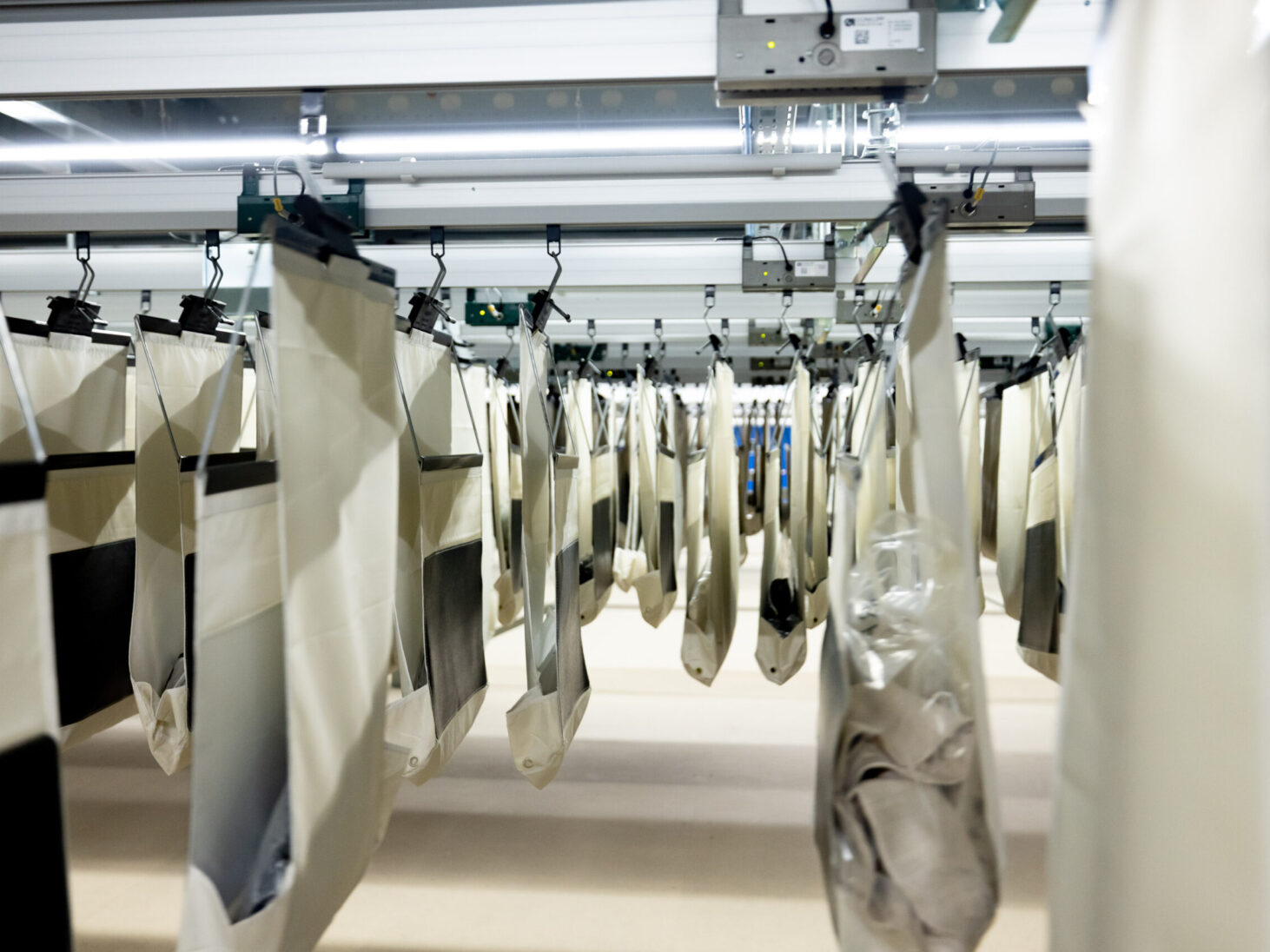
Among their many unique advantages, pocket systems stand out for their exceptionally low energy consumption, especially when compared to traditional Goods-to-Person (GTP) systems.
Less energy, more power
The key reason lies in the low excess weight that needs to be moved. In a pocket system, each pocket adds only about 0.5 to 1 kg beyond the item itself. In contrast, GTP systems must move the entire picking robot or shuttle along with the item, significantly increasing energy demand.
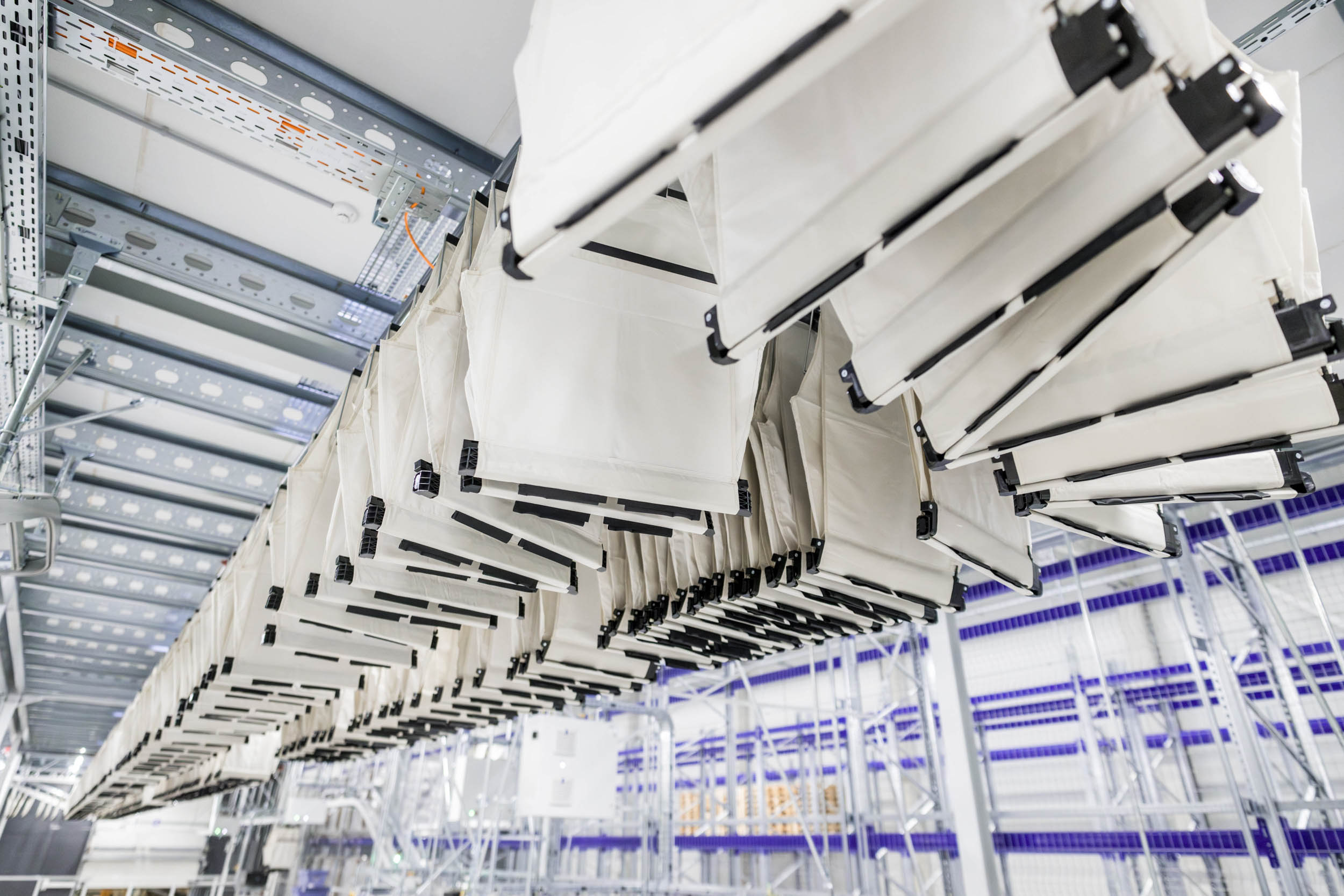
Of course, the items still need to be inducted into the pockets – but here’s where pocket systems shine again:
- They can extend the capacity of manual picking zones, delaying the need for the introduction of full automation.
- They can enhance the performance of existing automated storage and retrieval systems (ASRS).
Both effects contribute to indirect energy savings by optimizing existing infrastructure. From a mechanical perspective, our pocket adaptors are equipped with wheels, meaning only rolling friction, which is significantly lower than sliding friction, needs to be overcome. Additionally, gravity tracks are used between conveyors instead of motorized transfers, further reducing energy use. We’ve also made targeted improvements in our components:
- A recent redesign of one of our sensors led to a 60% reduction in its energy consumption.
- Intelligent control algorithms reduce conveyor speed before stopping, minimizing unnecessary start-stop cycles and mechanical wear.
- Optimized motor standby times further reduce both energy usage and component fatigue.
Data-driven energy analysis for continuous improvement
To ensure transparency and continuous improvement, every main cabinet we’ve delivered in the past 10 years is equipped with energy monitoring clamps. These log real-time data on energy consumption, voltage, and current. The data is:
- Analyzed in our analytics platform (more on that soon),
- And visualized in the customer’s SCADA system on-site.
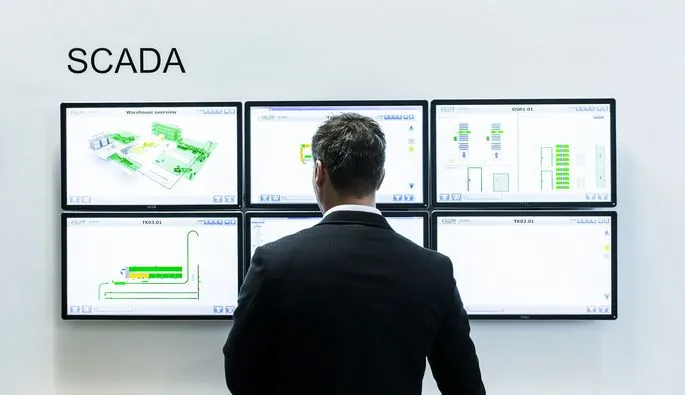
This enables our customers to track actual energy usage, evaluate the impact of system improvements, and allows us to even predict energy consumption for future installations based on real-world data from our large installed base rather than rules thumb.
Depending on order size and system design, the energy required to sort a customer order is less than the charge needed for your smartphone.

Author: Pascal Rehm – Head of Product Mgmt. & Development ME Mechanical Development